" transform="translate(4 4)" width="8px"/></svg>)


Building the Next Generation of Cellulose Technology
RIFORMA is developing a process route that converts sisal production residue into dissolving-grade cellulose - the high-purity pulp required for lyocell, viscose and modal fibres. The work is carried out with external research institutes specialising in the fractionation of lignocellulosic biomass.






Developing a New Biomass
Fractionation Platform.
RIFORMA is developing a fractionation route designed for sisal production residue rather than for wood. Our current work focuses on establishing whether this route can produce cellulose that meets dissolving-pulp specification - the purity, polymer chain length and cleanliness required by regenerated fibre producers.
The programme is carried out with external research institutes under contract research agreements. Institutional partners are not named publicly at this stage. Rather than replacing existing pulp technologies, our objective is to enable entirely new feedstocks for the cellulose industry.


Engineering High-Value Cellulose from Agricultural Biomass
0
1

Feedstock Characterization
Understanding the chemical composition of sisal residue forms the basis for process development.
0
2

Biomass Fractionation
Separating biomass into cellulose fractions. The lignin fraction is recovered and characterised alongside the cellulose.
0
3

Cellulose Purification
Producing cellulose feedstocks that meet dissolving pulp specification through optimized purification and refinement.
0
4

Industrial Validation
Benchmarking material quality against industrial dissolving pulp requirements for regenerated fibre production.
Current Development Stage.











RICYCLE: Two Streams,
No Residue.
Fractionation separates sisal residue into two materials, and both of them are worth something. The cellulose becomes dissolving pulp - the grade used to make lyocell, viscose and modal. Material that does not reach dissolving specification remains usable in speciality paper, where the requirements are lower and non-wood fibres already have a market.
The lignin is the fraction conventional pulping burns. Because ours has not passed through a chemical recovery cycle it is cleaner, and cleaner lignin opens applications that recovered lignin cannot serve: UV protection in cosmetics, binders and dispersants, and phenol substitution in resins. Yield and purity of both fractions are measured in the current development programme.

Resins
What the industry treats as waste, we treat as two separate materials, each with its own route to value.

Not Only Cellulose.
Fractionation separates the residue into more than one usable stream. Two of them carry value beyond the primary product.
Lignin
Separating cellulose from sisal residue also yields a lignin fraction, and its yield and purity are measured as part of the current programme. In conventional pulping, lignin is burned to recover process chemicals and energy.
Lignin that has not passed through that cycle is cleaner, and cleaner lignin has applications as a binder, dispersant, resin component and carbon precursor. We treat it as a co-product to be valorised rather than a residue to be disposed of.
Speciality Paper
Not every batch will reach dissolving specification, and not every application requires it. Cellulose below the purity threshold for regenerated fibre remains usable in speciality paper, where the requirements are lower and non-wood fibres already have a market.
This gives the process an outlet for off-specification material and a route to diversify the product mix over time. Dissolving pulp remains the primary target.
The Feedstock Is Already Where
the Industry Is.
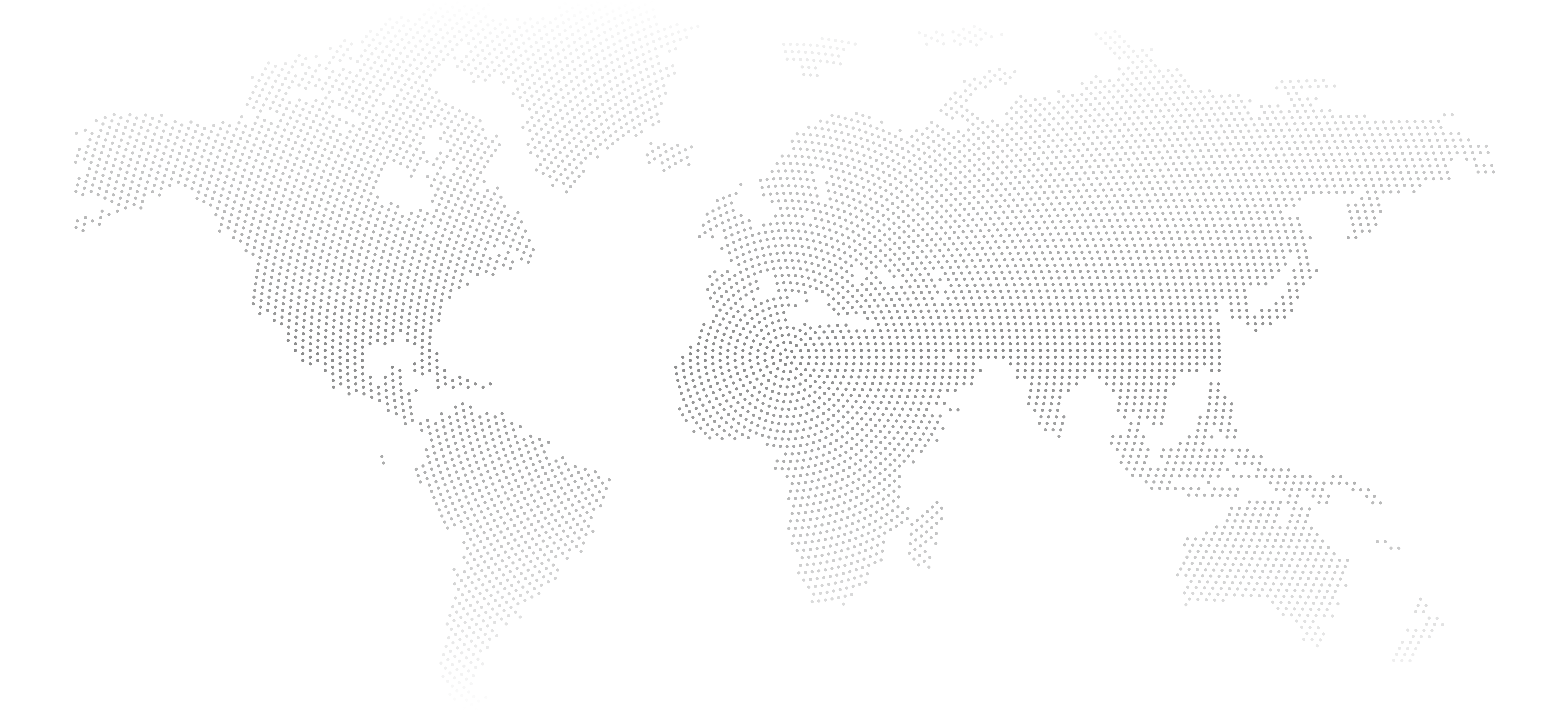
Sisal production is concentrated in a small number of regions. World output was around 237,000 tonnes of fibre in 2023, and Brazil alone accounts for roughly 40% of it almost all of that from a single state.
Decortication the process that separates the fibre from the leaf - recovers only a fraction of the plant. The rest is residue, left in the field or burned.
In Brazil, that residue arises in the same state as Latin America's largest specialty cellulose capacity. If the process route proves out, the material does not need a new supply chain built around it.


Legend
Source:
FAO(2023)
IBGE via CONAB(2024)
DNFI(2024)
AFA(2024)
Industry reports
Note:
Production figures represent the most recent publicly available data.
Science-driven. Industry-focused.
Our objective is not only to demonstrate technical feasibility, but to develop a process with clear industrial relevance. The experimental work is carried out with external research institutes specialising in the fractionation of lignocellulosic biomass, and every result is benchmarked against the specifications that regenerated fibre producers already apply. A process only matters if it delivers material the industry can qualify, at a cost it can work with, from a feedstock that can be supplied reliably.

" transform="translate(1.5 3)" width="12px"/></g></svg>)
Man-Made Cellulosic Fibres
Alpha-Cellulose
Agricultural Residue
Feedstock Diversification
Pulp Chemistry
Alternative Fibres
Lyocell
Pulp Chemistry
Dissolving Pulp
Alternative Fibres
Man-Made Cellulosic Fibres
Agricultural Residue

Subscribe to follow our progress in building the circular cellulose supply chains of tomorrow.
I would like to receive occasional updates from RIFORMA on our technology and progress. I can withdraw this consent at any time, for example via the unsubscribe link in every email. See our Privacy Policy for how we handle personal data.

Building the circular cellulose supply chains of tomorrow.
Copyright © RIFORMA 2026. All rights reserved.